
Sustainable Energy Research Group
PEOPLE
- Acting Associate HOD
- Civil and Environmental Engineering
- Acting Associate HODCivil and Environmental Engineering
- Professor
- Civil and Environmental Engineering
- ProfessorCivil and Environmental Engineering
My subsurface engineering group is working on some major challenges for a safe, low-emissions future. How can we pull CO2 out of the atmosphere at low cost? How can we safely store massive amounts of hydrogen? How can we anticipate volcanic eruptions and human-triggered seismicity?
𝗖𝗮𝗿𝗯𝗼𝗻 𝗗𝗶𝗼𝘅𝗶𝗱𝗲 𝗥𝗲𝗺𝗼𝘃𝗮𝗹 - we are designing systems that combust forestry waste and dissolve the CO2 in geothermal systems. This boosts renewable electricity and reduces CO2 in the atmosphere. Our goal is to find a pathway beyond 1 million tonnes of removals each year at a cost less than $100 per tonne.
𝗨𝗻𝗱𝗲𝗿𝗴𝗿𝗼𝘂𝗻𝗱 𝗛𝘆𝗱𝗿𝗼𝗴𝗲𝗻 𝗦𝘁𝗼𝗿𝗮𝗴𝗲 - we are predicting the costs and consequences of injecting hydrogen (a low density, reactive gas that is appetising to microbes) into depleted natural gas fields. The goal is to, later, recover as much gas as possible while also meeting the size of the future industrial demand, which is expected to exceed the capacity of surface tanks.
𝗩𝗼𝗹𝗰𝗮𝗻𝗶𝗰 𝗘𝗿𝘂𝗽𝘁𝗶𝗼𝗻 𝗙𝗼𝗿𝗲𝗰𝗮𝘀𝘁𝗶𝗻𝗴 - we are trialling machine learning systems that can receive real-time seismic data from GeoNet and use this to suggest how likely an eruption will be. We use data from volcanoes around the world, looking for the common patterns between them that occur before eruptions.
𝗛𝘂𝗺𝗮𝗻-𝗧𝗿𝗶𝗴𝗴𝗲𝗿𝗲𝗱 𝗘𝗮𝗿𝘁𝗵𝗾𝘂𝗮𝗸𝗲𝘀 - we build systems that learn how underground injection of geothermal fluids, or extraction of natural gas, changes the forces on buried faults in a way that triggers earthquakes. We use these systems to make predictions of how many earthquakes might be caused by large energy projects and how these risks can be minimised.Writing about these things at my blog.
My subsurface engineering group is working on some major challenges for a safe, low-emissions future. How can we pull CO2 out of the atmosphere at low cost? How can we safely store massive amounts of hydrogen? How can we anticipate volcanic eruptions and human-triggered seismicity?
𝗖𝗮𝗿𝗯𝗼𝗻 𝗗𝗶𝗼𝘅𝗶𝗱𝗲 𝗥𝗲𝗺𝗼𝘃𝗮𝗹 - we are designing systems that combust forestry waste and dissolve the CO2 in geothermal systems. This boosts renewable electricity and reduces CO2 in the atmosphere. Our goal is to find a pathway beyond 1 million tonnes of removals each year at a cost less than $100 per tonne.
𝗨𝗻𝗱𝗲𝗿𝗴𝗿𝗼𝘂𝗻𝗱 𝗛𝘆𝗱𝗿𝗼𝗴𝗲𝗻 𝗦𝘁𝗼𝗿𝗮𝗴𝗲 - we are predicting the costs and consequences of injecting hydrogen (a low density, reactive gas that is appetising to microbes) into depleted natural gas fields. The goal is to, later, recover as much gas as possible while also meeting the size of the future industrial demand, which is expected to exceed the capacity of surface tanks.
𝗩𝗼𝗹𝗰𝗮𝗻𝗶𝗰 𝗘𝗿𝘂𝗽𝘁𝗶𝗼𝗻 𝗙𝗼𝗿𝗲𝗰𝗮𝘀𝘁𝗶𝗻𝗴 - we are trialling machine learning systems that can receive real-time seismic data from GeoNet and use this to suggest how likely an eruption will be. We use data from volcanoes around the world, looking for the common patterns between them that occur before eruptions.
𝗛𝘂𝗺𝗮𝗻-𝗧𝗿𝗶𝗴𝗴𝗲𝗿𝗲𝗱 𝗘𝗮𝗿𝘁𝗵𝗾𝘂𝗮𝗸𝗲𝘀 - we build systems that learn how underground injection of geothermal fluids, or extraction of natural gas, changes the forces on buried faults in a way that triggers earthquakes. We use these systems to make predictions of how many earthquakes might be caused by large energy projects and how these risks can be minimised.Writing about these things at my blog.
- Faculty of Engineering
- Registered to supervise Master's/Doctoral students
- Collaborative research projects
- Consulting & advisory services
- Industry partnerships & innovation
- Media enquiries
- Outreach & community engagement
- Policy advice & government consultation
- Senior Lecturer Above the Bar
- Mathematics and Statistics
- Senior Lecturer Above the BarMathematics and Statistics
The focus of my research is on statistical inverse problems and non-parametric methods in econometric models. Examples are non-parametric instrumental variables, random coefficient models, and stochastic differential equations.The focus of my research is on statistical inverse problems and non-parametric methods in econometric models. Examples are non-parametric instrumental variables, random coefficient models, and stochastic differential equations.- Faculty of Engineering
- Registered to supervise Master's/Doctoral students
- Head
- Associate Professor
- Civil and Environmental Engineering
- Associate ProfessorCivil and Environmental Engineering
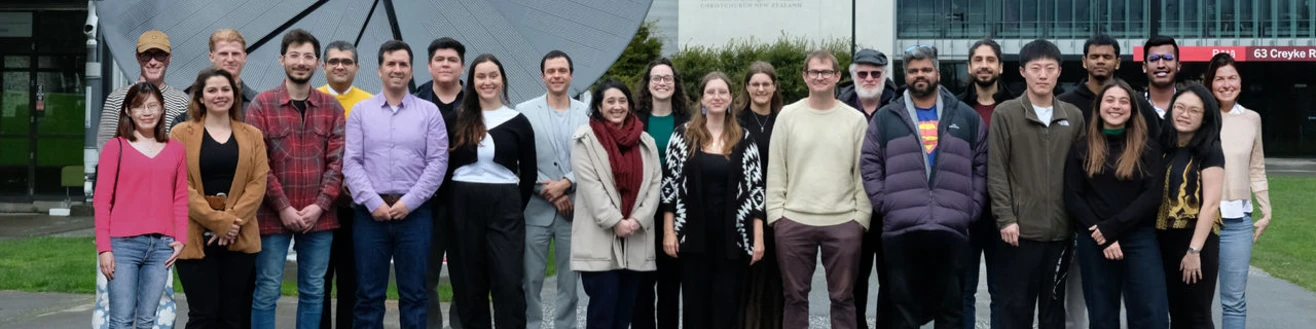
𝐓𝐡𝐞 𝐒𝐮𝐬𝐭𝐚𝐢𝐧𝐚𝐛𝐥𝐞 𝐄𝐧𝐞𝐫𝐠𝐲 𝐑𝐞𝐬𝐞𝐚𝐫𝐜𝐡 𝐆𝐫𝐨𝐮𝐩 𝐒𝐄𝐑𝐆, co-led by Dr. Peer and myself, includes over 20 researchers working on:
- Renewable energy integration
- Solar engineering
- Power-to-X systems (including multi-energy and green hydrogen)
- Energy storage
- Energy transitions modelling
- Carbon-negative systems.
Contact us to partner for Horizon Europe!
𝐒𝐨𝐥𝐚𝐫 𝐞𝐥𝐞𝐜𝐭𝐫𝐢𝐜𝐢𝐭𝐲 𝐢𝐬 𝐧𝐨𝐰 𝐭𝐡𝐞 𝐜𝐡𝐞𝐚𝐩𝐞𝐬𝐭 𝐬𝐨𝐮𝐫𝐜𝐞 𝐨𝐟 𝐞𝐧𝐞𝐫𝐠𝐲. Not only among options but in history of humankind (International Energy Agency, 2021). Such low-cost solar energy is fundamentally impacting our grids, industries, and future professionals –our whole economy – and it is happening at an unprecedented pace. This is not a smooth transition but a speedy revolution, and it is taking many governments, industries, and universities by surprise. 𝐃𝐞𝐚𝐫 𝐜𝐨𝐦𝐦𝐮𝐧𝐢𝐭𝐲, 𝐰𝐞 𝐚𝐫𝐞 𝐞𝐧𝐭𝐞𝐫𝐢𝐧𝐠 𝐭𝐡𝐞 𝐞𝐫𝐚 𝐨𝐟 𝐭𝐡𝐞 𝐬𝐮𝐧!
To catalyze this era, 𝐰𝐞 𝐫𝐞𝐬𝐞𝐚𝐫𝐜𝐡 𝐡𝐨𝐰 𝐨𝐮𝐫 𝐢𝐧𝐟𝐫𝐚𝐬𝐭𝐫𝐮𝐜𝐭𝐮𝐫𝐞 𝐧𝐞𝐞𝐝𝐬 𝐭𝐨 𝐞𝐯𝐨𝐥𝐯𝐞 𝐭𝐨 𝐛𝐞𝐜𝐨𝐦𝐞 𝐳𝐞𝐫𝐨-𝐜𝐚𝐫𝐛𝐨𝐧 𝐚𝐧𝐝 𝐛𝐞𝐲𝐨𝐧𝐝. In other words, how much, where, when, and in what technology to invest. We rely on energy system analysis, this is using and developing simulation and optimization methods for quantifying future energy systems that we then communicate to ministries, planning agencies, and communities.
𝐂𝐮𝐫𝐫𝐞𝐧𝐭𝐥𝐲, 𝐰𝐞 𝐚𝐫𝐞 𝐥𝐨𝐨𝐤𝐢𝐧𝐠 𝐟𝐨𝐫 (updated January 2026):
- Partners for Horizon Europe proposals.- PhD candidates with own scholarship funding, or truly exceptional candidates that are competitive for our UC Doctoral Scholarships.
- Upcoming PhD positions in 2027: Agrivoltaics, resilient energy systems, future fuels, flexible grids, quantum computing.
- Check your eligibility for the following scholarships: Manaaki (Asia-Pacific), Becal (Paraguay), Secihti (Mexico), CSC-UC (China).
- Māori and Pasifika students and researchers are strongly encouraged to apply. We likely have funding options available for PhDs and Masters.- International research stays are welcome! We can support your funding applications (e.g. DAAD, Fulbright, ANID, Erskine, Erasmus+).
𝐂𝐨𝐧𝐭𝐚𝐜𝐭 𝐦𝐞 via email for questions on:- Master of Renewable Energy Engineering (MREE)
- PhD in Renewable Energy Engineering
- Interviews or podcast appearances
- Pro-bono energy project advice for Māori and Pasifika communities
- Energy strategy consultancies
- Horizon Europe
Follow me on LinkedIn.𝐓𝐡𝐞 𝐒𝐮𝐬𝐭𝐚𝐢𝐧𝐚𝐛𝐥𝐞 𝐄𝐧𝐞𝐫𝐠𝐲 𝐑𝐞𝐬𝐞𝐚𝐫𝐜𝐡 𝐆𝐫𝐨𝐮𝐩 𝐒𝐄𝐑𝐆, co-led by Dr. Peer and myself, includes over 20 researchers working on:
- Renewable energy integration
- Solar engineering
- Power-to-X systems (including multi-energy and green hydrogen)
- Energy storage
- Energy transitions modelling
- Carbon-negative systems.
Contact us to partner for Horizon Europe!
𝐒𝐨𝐥𝐚𝐫 𝐞𝐥𝐞𝐜𝐭𝐫𝐢𝐜𝐢𝐭𝐲 𝐢𝐬 𝐧𝐨𝐰 𝐭𝐡𝐞 𝐜𝐡𝐞𝐚𝐩𝐞𝐬𝐭 𝐬𝐨𝐮𝐫𝐜𝐞 𝐨𝐟 𝐞𝐧𝐞𝐫𝐠𝐲. Not only among options but in history of humankind (International Energy Agency, 2021). Such low-cost solar energy is fundamentally impacting our grids, industries, and future professionals –our whole economy – and it is happening at an unprecedented pace. This is not a smooth transition but a speedy revolution, and it is taking many governments, industries, and universities by surprise. 𝐃𝐞𝐚𝐫 𝐜𝐨𝐦𝐦𝐮𝐧𝐢𝐭𝐲, 𝐰𝐞 𝐚𝐫𝐞 𝐞𝐧𝐭𝐞𝐫𝐢𝐧𝐠 𝐭𝐡𝐞 𝐞𝐫𝐚 𝐨𝐟 𝐭𝐡𝐞 𝐬𝐮𝐧!
To catalyze this era, 𝐰𝐞 𝐫𝐞𝐬𝐞𝐚𝐫𝐜𝐡 𝐡𝐨𝐰 𝐨𝐮𝐫 𝐢𝐧𝐟𝐫𝐚𝐬𝐭𝐫𝐮𝐜𝐭𝐮𝐫𝐞 𝐧𝐞𝐞𝐝𝐬 𝐭𝐨 𝐞𝐯𝐨𝐥𝐯𝐞 𝐭𝐨 𝐛𝐞𝐜𝐨𝐦𝐞 𝐳𝐞𝐫𝐨-𝐜𝐚𝐫𝐛𝐨𝐧 𝐚𝐧𝐝 𝐛𝐞𝐲𝐨𝐧𝐝. In other words, how much, where, when, and in what technology to invest. We rely on energy system analysis, this is using and developing simulation and optimization methods for quantifying future energy systems that we then communicate to ministries, planning agencies, and communities.
𝐂𝐮𝐫𝐫𝐞𝐧𝐭𝐥𝐲, 𝐰𝐞 𝐚𝐫𝐞 𝐥𝐨𝐨𝐤𝐢𝐧𝐠 𝐟𝐨𝐫 (updated January 2026):
- Partners for Horizon Europe proposals.- PhD candidates with own scholarship funding, or truly exceptional candidates that are competitive for our UC Doctoral Scholarships.
- Upcoming PhD positions in 2027: Agrivoltaics, resilient energy systems, future fuels, flexible grids, quantum computing.
- Check your eligibility for the following scholarships: Manaaki (Asia-Pacific), Becal (Paraguay), Secihti (Mexico), CSC-UC (China).
- Māori and Pasifika students and researchers are strongly encouraged to apply. We likely have funding options available for PhDs and Masters.- International research stays are welcome! We can support your funding applications (e.g. DAAD, Fulbright, ANID, Erskine, Erasmus+).
𝐂𝐨𝐧𝐭𝐚𝐜𝐭 𝐦𝐞 via email for questions on:- Master of Renewable Energy Engineering (MREE)
- PhD in Renewable Energy Engineering
- Interviews or podcast appearances
- Pro-bono energy project advice for Māori and Pasifika communities
- Energy strategy consultancies
- Horizon Europe
Follow me on LinkedIn.- Faculty of Engineering
- Registered to supervise Master's/Doctoral students
- 7 Affordable and Clean Energy
- 11 Sustainable Cities and Communities
- 13 Climate Action
- 9 Industry, Innovation and Infrastructure
Fields of Research- Electrical energy generation (incl. renewables, excl. photovoltaics)
- Photovoltaic power systems
- Energy generation, conversion and storage (excl. chemical and electrical)
- Electrical energy storage
- Complex civil systems
- Life cycle assessment and industrial ecology
- Electrochemical energy storage and conversion
- Head
- Senior Lecturer Above the Bar
- Civil and Environmental Engineering
- Senior Lecturer Above the BarCivil and Environmental Engineering
I co-lead the Sustainable Energy Research Group (SERG) with Dr Jannik Haas. This group has over 10 postgraduate researchers and is working on:
- Renewable Energy Integration
- Solar Engineering
- Power-to-X systems (including multi-energy and green hydrogen)
- Energy storage
- Energy transitions modelling
- Carbon-negative systems.
Apply now to join SERG!
We are always interested in outstanding candidates interested in energy and energy transitions.
I am currently looking for:- Māori and Pasifika researchers interested in studying the sociotechnical implications of energy transitions (funded PhD position)
- Excellent candidates for the China Scholarship Council (CSC) PhD fellowship interested in energy systems research
More about my research:
My research interest is focused on infrastructure systems, with a focus on energy. I enjoy researching the relationship between energy and natural systems (e.g., water, land, climate) for current, planned, and future energy pathways. This includes assessments like carbon accounting, water footprinting, multi-criteria optimisation, and more. I also enjoy using data-driven methods for energy system analysis and use computational modelling, optimisation, and statistics in my work.
For other information about my work and student opportunities, please see my website:
www.rebeccapeer.comI co-lead the Sustainable Energy Research Group (SERG) with Dr Jannik Haas. This group has over 10 postgraduate researchers and is working on:
- Renewable Energy Integration
- Solar Engineering
- Power-to-X systems (including multi-energy and green hydrogen)
- Energy storage
- Energy transitions modelling
- Carbon-negative systems.
Apply now to join SERG!
We are always interested in outstanding candidates interested in energy and energy transitions.
I am currently looking for:- Māori and Pasifika researchers interested in studying the sociotechnical implications of energy transitions (funded PhD position)
- Excellent candidates for the China Scholarship Council (CSC) PhD fellowship interested in energy systems research
More about my research:
My research interest is focused on infrastructure systems, with a focus on energy. I enjoy researching the relationship between energy and natural systems (e.g., water, land, climate) for current, planned, and future energy pathways. This includes assessments like carbon accounting, water footprinting, multi-criteria optimisation, and more. I also enjoy using data-driven methods for energy system analysis and use computational modelling, optimisation, and statistics in my work.
For other information about my work and student opportunities, please see my website:
www.rebeccapeer.com- Faculty of Engineering
- Registered to supervise Master's/Doctoral students
- 13 Climate Action
- 7 Affordable and Clean Energy
- 9 Industry, Innovation and Infrastructure
- 11 Sustainable Cities and Communities
Fields of Research- Complex civil systems
- Environmental assessment and monitoring
- Energy generation, conversion and storage (excl. chemical and electrical)
- Environmental engineering
- Postdoctoral Fellow
- Civil and Environmental Engineering
- Postdoctoral FellowCivil and Environmental Engineering
- Faculty of Engineering
- 7 Affordable and Clean Energy
- 13 Climate Action
- Postdoctoral Fellow
- Civil and Environmental Engineering
- Postdoctoral FellowCivil and Environmental Engineering
My research focuses on the development and durability assessment of sustainable cementitious materials, with the aim of reducing the carbon footprint of construction. I work on designing low-carbon binders using alternative supplementary cementitious materials such as biomass ash, industrial by-products like copper slags and GGBS. I am also interested in studying the carbon capture and utilization in concrete, along with integrating life cycle assessment (LCA) tools to evaluate environmental impacts.
My research focuses on the development and durability assessment of sustainable cementitious materials, with the aim of reducing the carbon footprint of construction. I work on designing low-carbon binders using alternative supplementary cementitious materials such as biomass ash, industrial by-products like copper slags and GGBS. I am also interested in studying the carbon capture and utilization in concrete, along with integrating life cycle assessment (LCA) tools to evaluate environmental impacts.
- Faculty of Engineering
- 9 Industry, Innovation and Infrastructure
- 11 Sustainable Cities and Communities
- 13 Climate Action
Fields of Research- Environmentally sustainable engineering
- Postdoctoral Fellow
- Civil and Environmental Engineering
- Postdoctoral FellowCivil and Environmental Engineering
- Faculty of Engineering
- Postdoctoral Fellow
- Civil and Environmental Engineering
- Postdoctoral FellowCivil and Environmental Engineering
Hadi Vatankhah Ghadim was born in Tabriz, Iran. He earned a Bachelor’s in Electrical Engineering (Power) from IAU-Tabriz in 2019 and an M.Sc. in Electrical Energy Systems Management and Planning from the University of Tabriz in 2022. He is a Research Associate (Postdoc) at the University of Canterbury, working with Assoc. Prof. Jannik Haas and Dr. Rebecca Peer. His doctoral research focused on the role of green hydrogen and multi-carrier energy hubs in the transition of hard-to-abate industries within the future energy system of New Zealand. He had also been a visiting researcher at RWTH Aachen under the DAAD ERA Fellowship for Green Hydrogen.
He works with PyPSA-Earth to develop a national energy system model, while performing techno-economic analyses to study the pathways to decarbonise hard-to-abate sectors like aviation, shipping, and heavy industry. His expertise spans renewable energy economics, electrical energy security, energy markets, and power system modelling.
Hadi Vatankhah Ghadim was born in Tabriz, Iran. He earned a Bachelor’s in Electrical Engineering (Power) from IAU-Tabriz in 2019 and an M.Sc. in Electrical Energy Systems Management and Planning from the University of Tabriz in 2022. He is a Research Associate (Postdoc) at the University of Canterbury, working with Assoc. Prof. Jannik Haas and Dr. Rebecca Peer. His doctoral research focused on the role of green hydrogen and multi-carrier energy hubs in the transition of hard-to-abate industries within the future energy system of New Zealand. He had also been a visiting researcher at RWTH Aachen under the DAAD ERA Fellowship for Green Hydrogen.
He works with PyPSA-Earth to develop a national energy system model, while performing techno-economic analyses to study the pathways to decarbonise hard-to-abate sectors like aviation, shipping, and heavy industry. His expertise spans renewable energy economics, electrical energy security, energy markets, and power system modelling.
- Faculty of Engineering
- 7 Affordable and Clean Energy
- 9 Industry, Innovation and Infrastructure
Fields of Research- Electrical energy transmission, networks and systems
- Investment and risk management
- Infrastructure engineering and asset management
- Photovoltaic power systems
- Electrical energy generation (incl. renewables, excl. photovoltaics)
- Industry economics and industrial organisation
- Applied economics